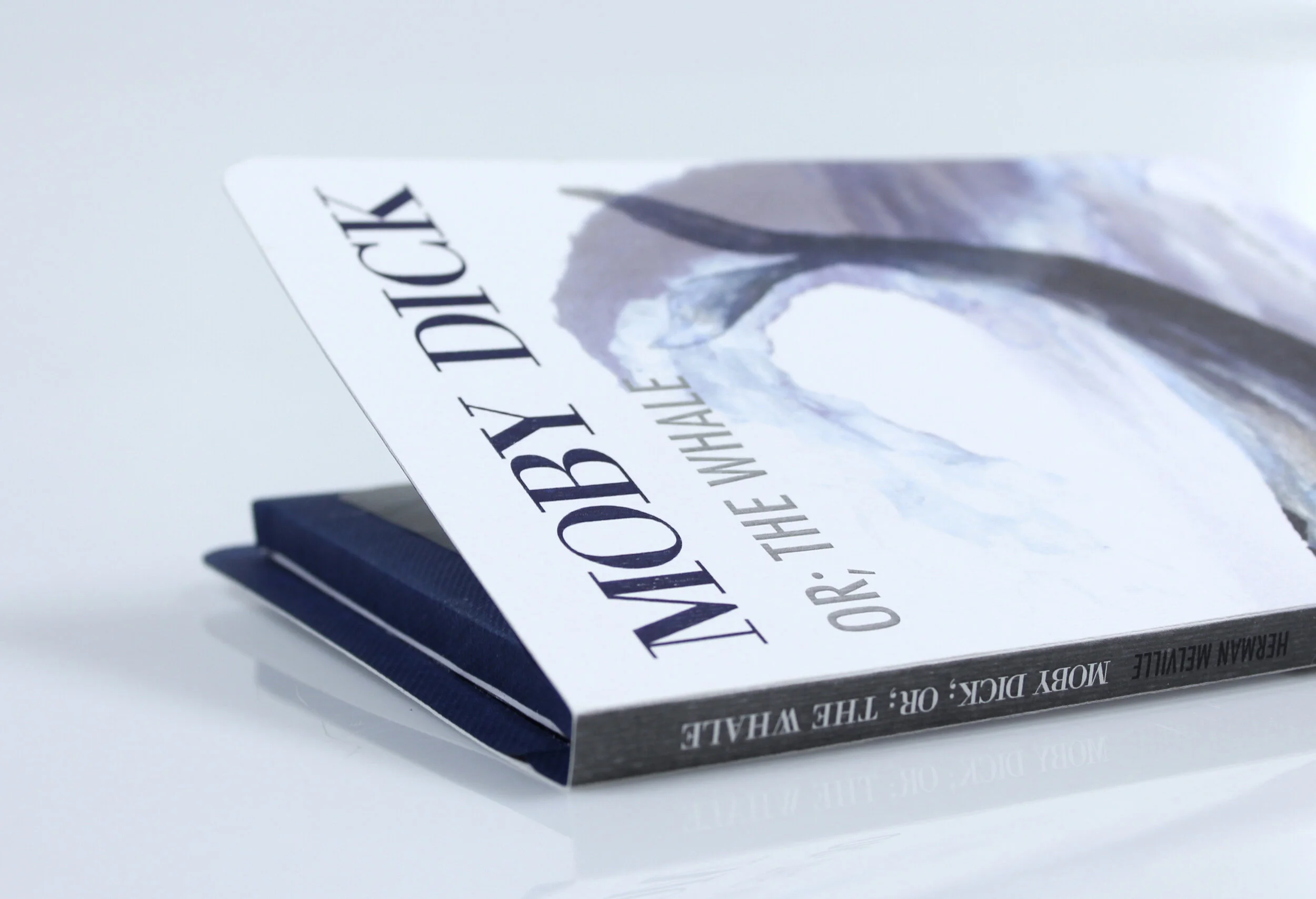
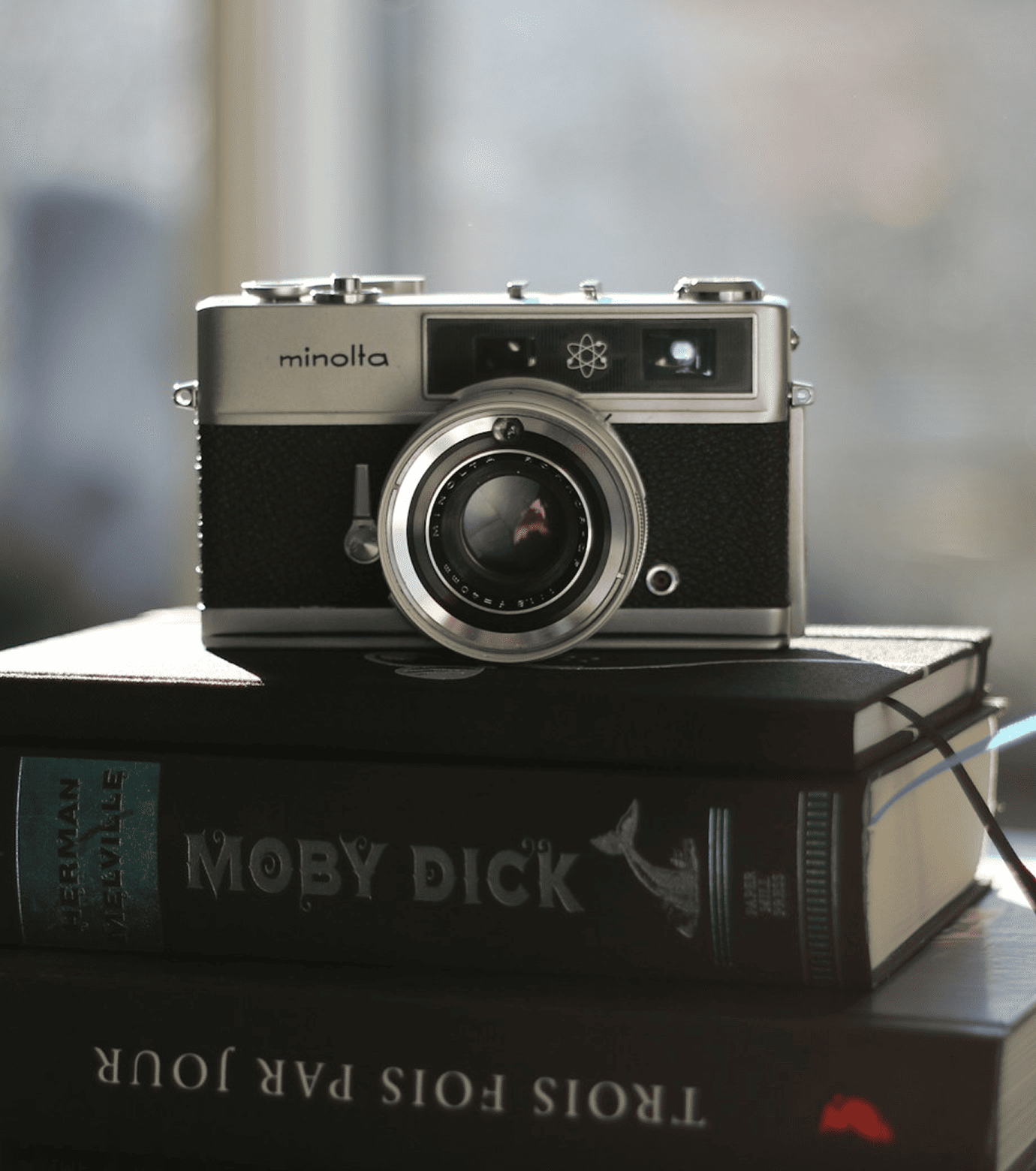
An interactive reading experience combining print and digital media.
Design Thinking Process guides this project through Empathize, Define, Ideate, Prototype, and Test & Iterate to create user-centered solutions.
An Overview
Lorem Ipsum is simply dummy text of the printing and typesetting industry.
Lorem Ipsum is simply dummy text of the printing and typesetting industry.
Lorem Ipsum is simply dummy text of the printing and typesetting industry.
Lorem Ipsum is simply dummy text of the printing and typesetting industry.
Goal
Create an interactive reading experience that combines traditional book design with digital tools, making reading, listening, and navigating the novel intuitive and engaging.
Methods
Research included studying editorial design, typography, and modern reading behaviors across print and digital formats. This provided insight into how readers interact with text, audio, and reference tools.
Insights
Readers value the tactile experience of printed books but also appreciate digital support such as audio playback, navigation, and annotations. Combining these elements enhances engagement while preserving the essence of traditional reading.
Modern readers enjoy traditional books but increasingly rely on digital tools to navigate, listen, and interact with content. However, switching between formats can feel fragmented and disrupt the reading experience. A more integrated approach is needed to combine print reading with digital interaction.
Simplify navigation through the book with a clear and intuitive layout.
Make switching between reading and audio seamless and easy to follow.
Provide helpful reference tools such as highlights, vocabulary, and annotations.
Create a hybrid reading experience that blends traditional print with digital interaction.
Deliverables
High-fidelity layouts were created to explore how print and digital reading experiences can work together, including typography, navigation, and interactive elements. Prototypes allowed early testing of layout hierarchy and reading flow, while a consistent design system ensured visual harmony across print and digital formats.
.png)
“The design is clean, immersive, and intended to support both traditional reading and digital interaction. Clear typography, navigation cues, and visual hierarchy help readers move seamlessly between text and audio references.”
Outcomes
Early research and testing revealed that readers still value the tactile experience of printed books but increasingly expect digital support such as audio, navigation, and annotations. By combining these elements, the project was refined to create a reading experience that feels both traditional and contemporary.
The results showed improved readability and engagement with the content. This project reinforced that thoughtful editorial design can bridge the gap between print heritage and modern digital interaction.
Method
Tested with 6 participants across key flows: reading, audio playback, and navigation.
Findings
Readers liked the hybrid format but wanted clearer navigation and text–audio references.
Iteration
Refined hierarchy, navigation cues, and typography for smoother reading.
.png)
.png)
.png)
By focusing on user needs and simplifying complex flows, the app turns home exchange into a seamless, confident experience.
That Brings Ideas to Life
Print media Moby Dick
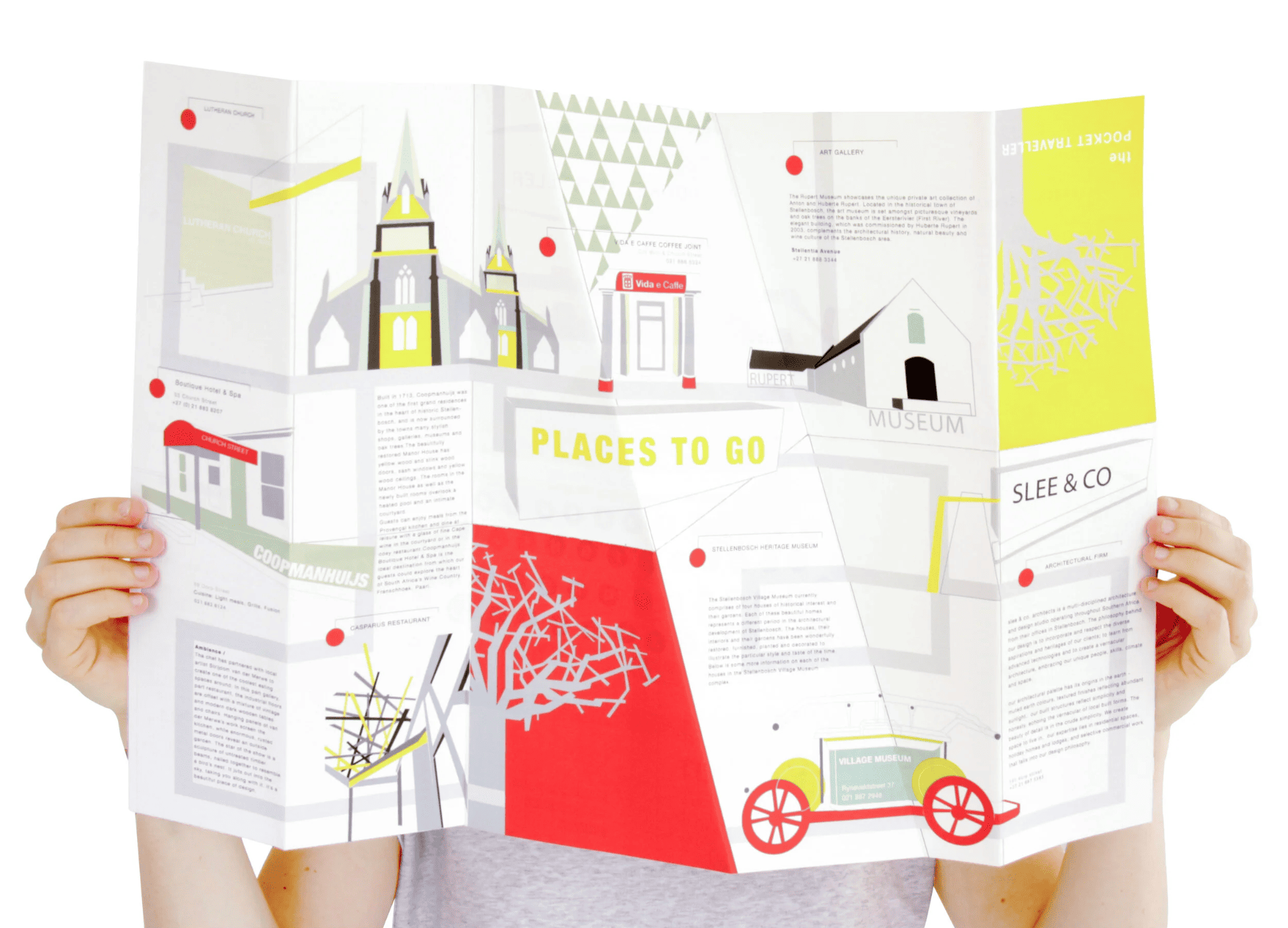
Infographics I love my city
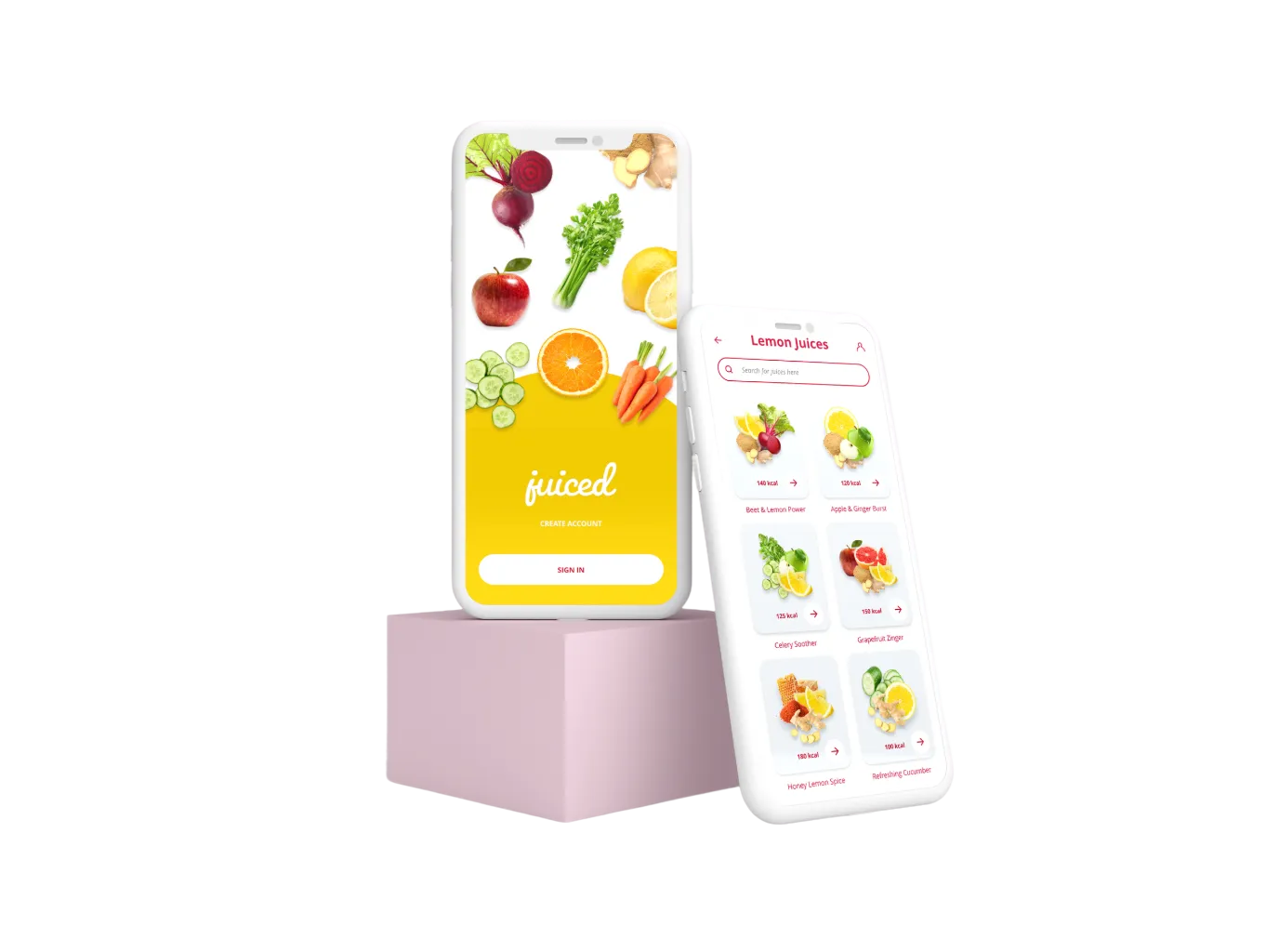
Juiced
Project one
Ecommerce website
Juvage
UX/UI Mobile Design
.png)

.png)