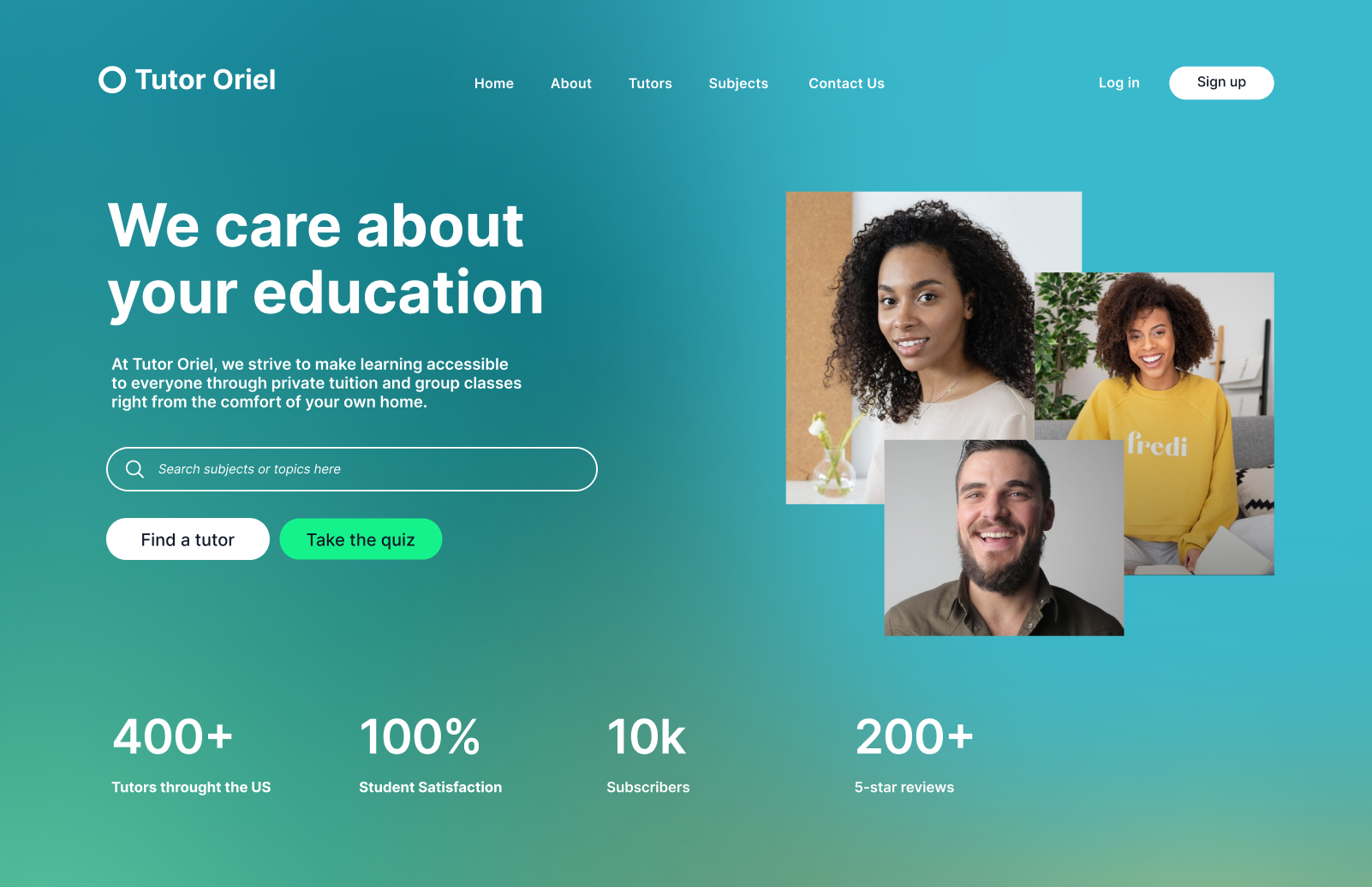
Heuristic evaluation of Tutor Oriel’s sign-up flow to identify usability issues.
Design Thinking Process guides this project through Empathize, Define, Ideate, Prototype, and Test & Iterate to create user-centered solutions.
An Overview
Lorem Ipsum is simply dummy text of the printing and typesetting industry.
Lorem Ipsum is simply dummy text of the printing and typesetting industry.
Lorem Ipsum is simply dummy text of the printing and typesetting industry.
Lorem Ipsum is simply dummy text of the printing and typesetting industry.

Goal
Evaluate Tutor Oriel’s sign-up flow to uncover usability issues, reduce friction, and improve the overall user experience, ensuring the system communicates clearly and supports users at every step.
Methods
Heuristic analysis based on established usability principles, combined with notes, scoring, and audits of adjacent and analogous industries to identify best practices and inspiration for interface improvements.
Insights
Key issues included unclear system feedback, inconsistent terminology, and cognitive overload. Simplifying the flow, clarifying instructions, and aligning the interface with real-world expectations can significantly improve completion rates and user satisfaction.
Usability Heuristics
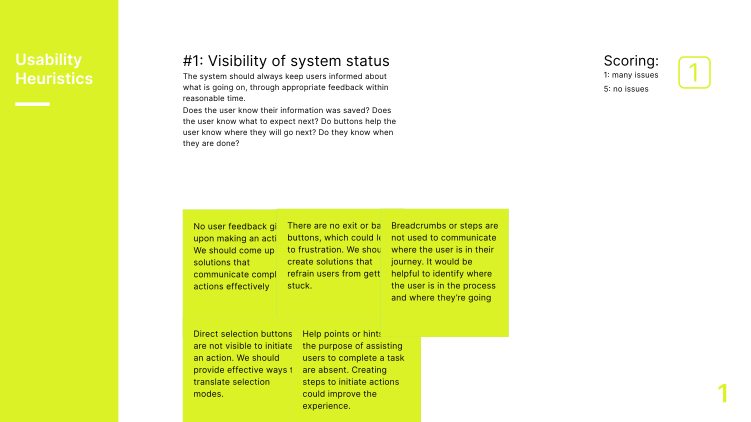
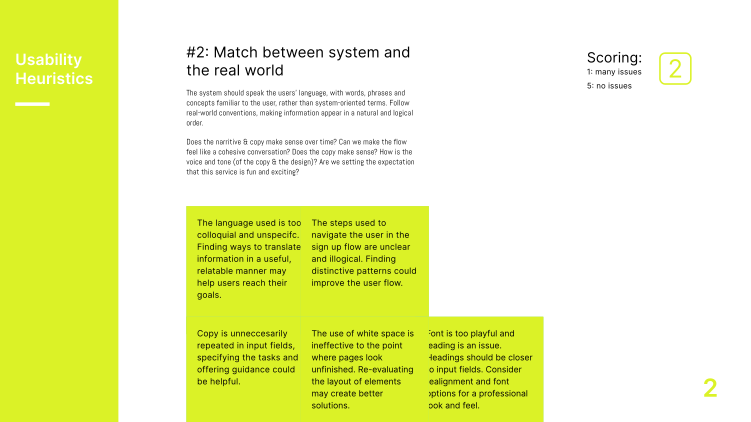
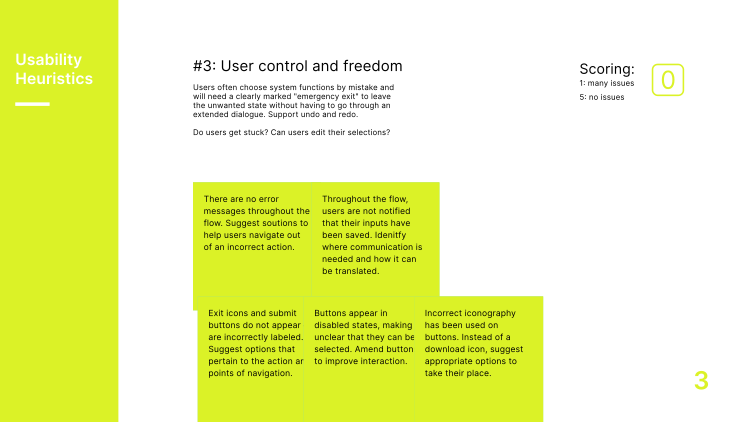
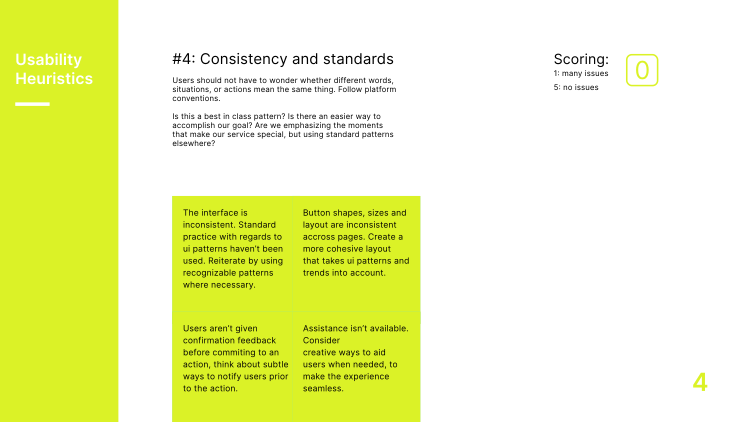
Users struggle to complete the Tutor Oriel sign-up flow because the current design is confusing, inconsistent, and overwhelming. Key pain points include unclear instructions, poor feedback on actions, and difficulty navigating through account creation and scheduling steps.
Simplify the sign-up and scheduling flow with a clear, intuitive interface.
Provide users with consistent feedback and guidance at every step.
Simplify account creation, tutor selection, and scheduling.
Ensure the flow is friendly, clear, and trustworthy.
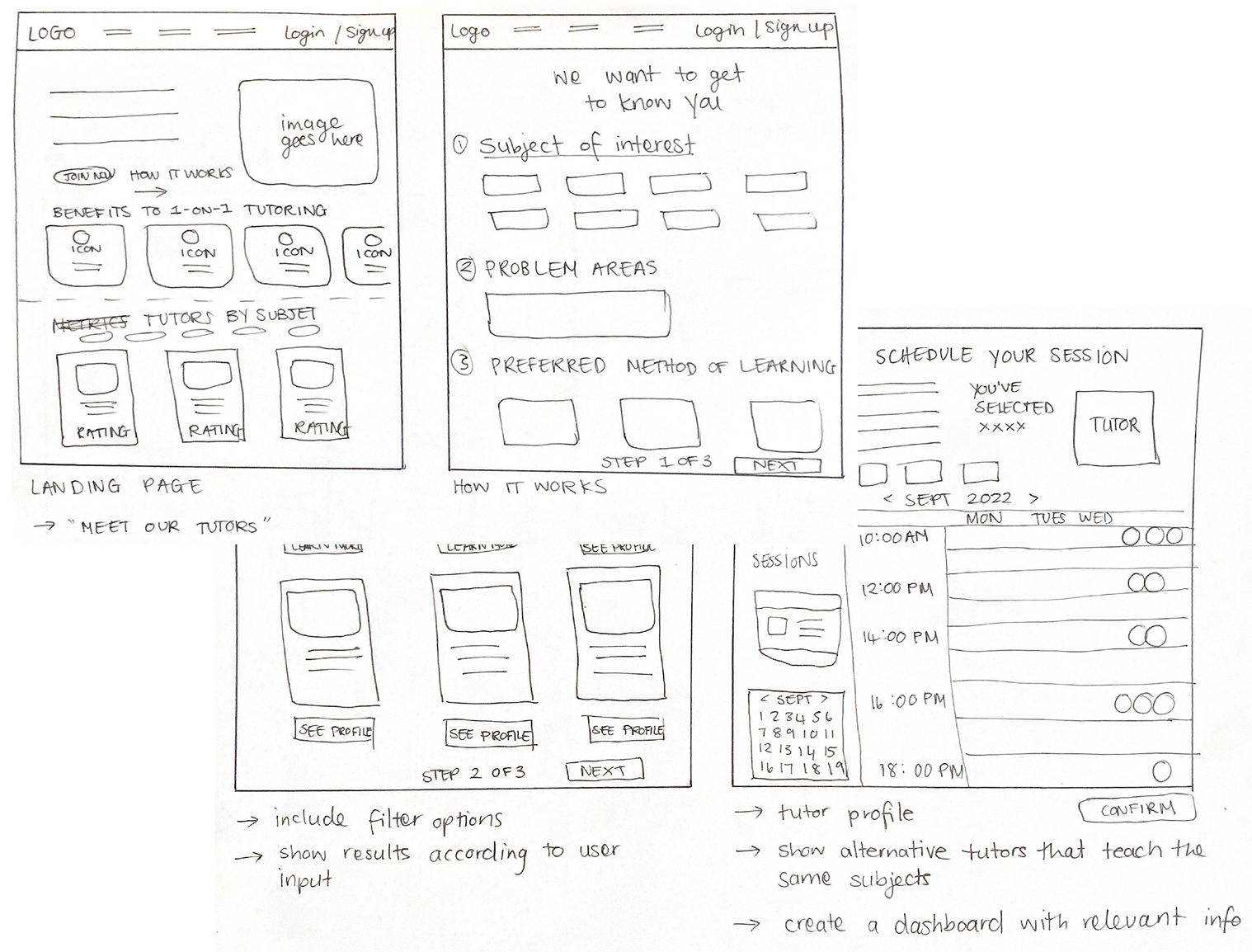
Sketches
Created early sketches to visualize key flows and interactions. These low-fidelity layouts helped quickly test structure, hierarchy, and screen order before moving to higher-fidelity designs.
Wireframes
.svg)
.svg)
.svg)
Deliverables
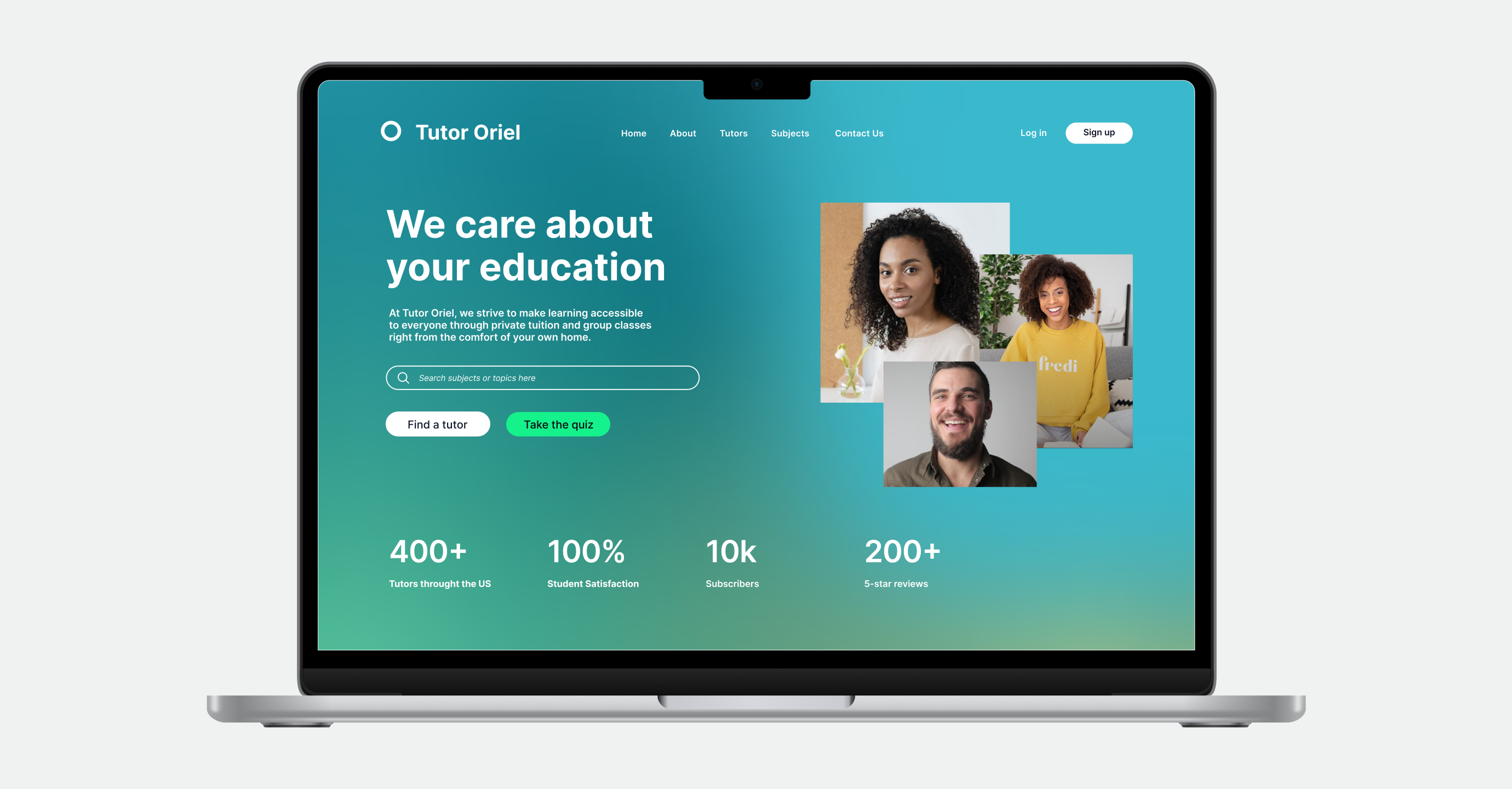
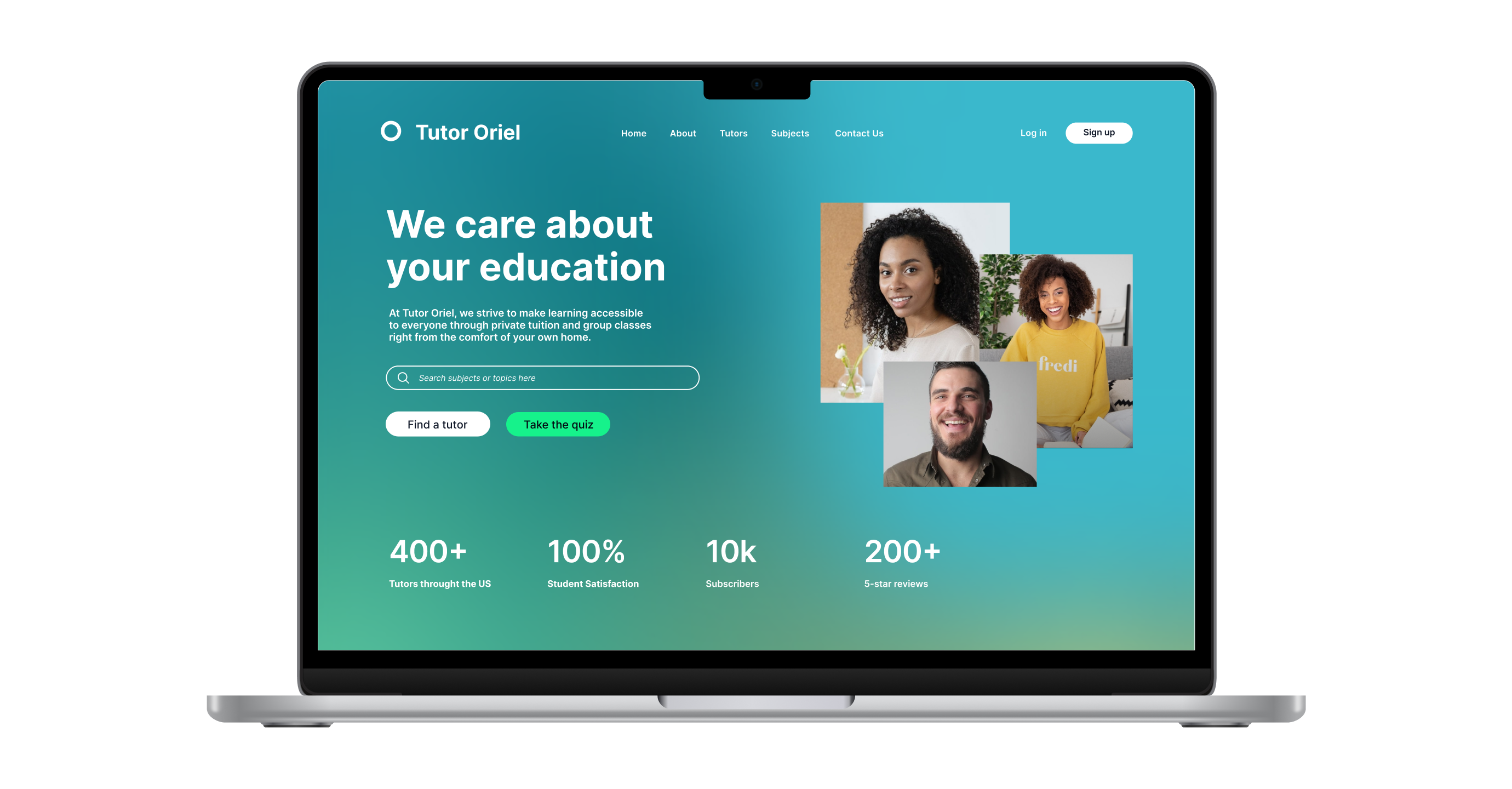
High-fidelity screens were created for the full sign-up and scheduling flow. Interactive prototypes allowed early testing of navigation, feedback, and usability, while consistent patterns ensured clarity across the interface.
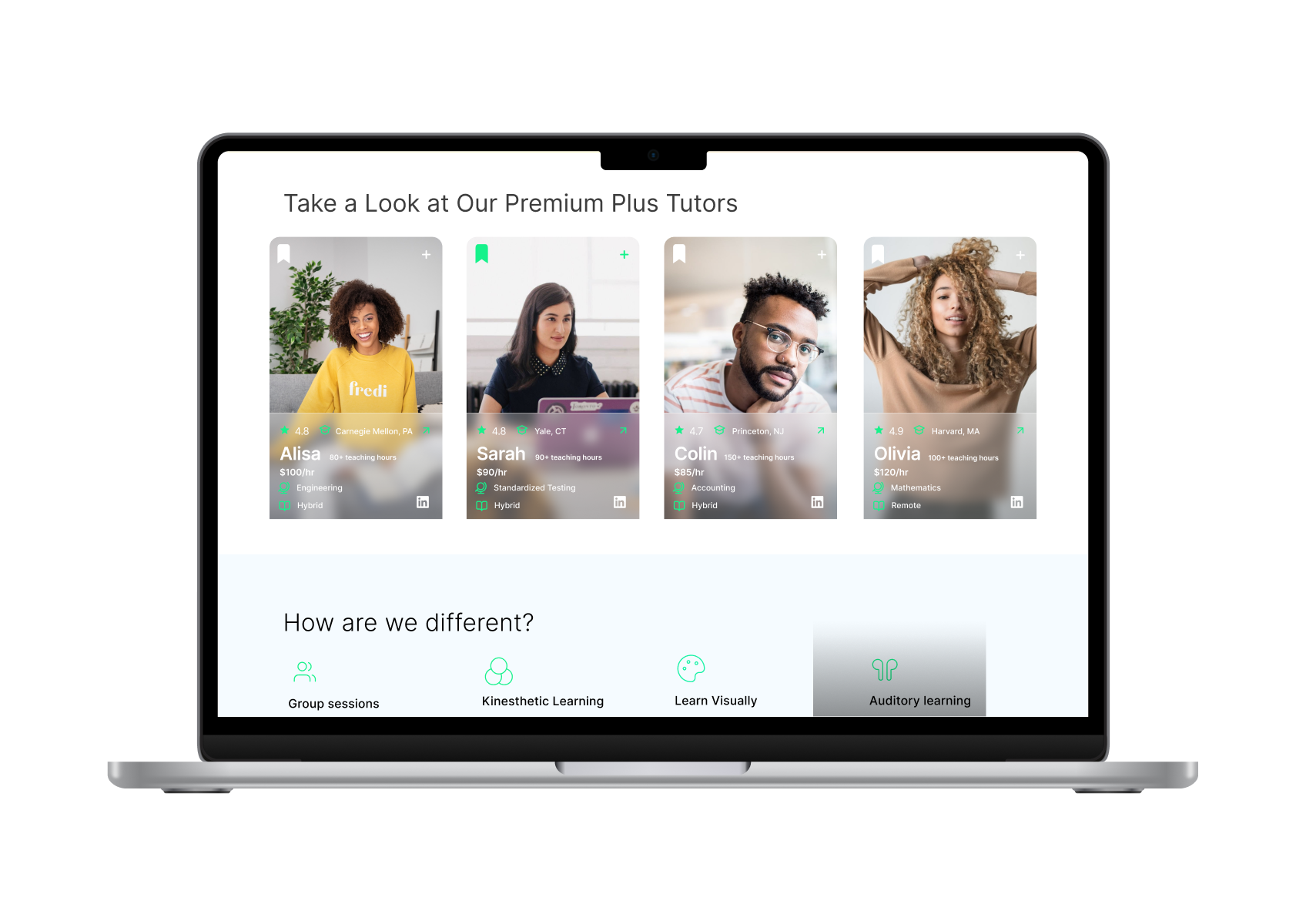
“The interface is clear, guided, and designed to help users complete tasks effortlessly. Feedback and cues were added to build trust, reduce errors, and improve confidence throughout the flow.”
Outcomes
Early heuristic evaluation and usability testing revealed friction points and unclear instructions in the sign-up and scheduling flow. By addressing these, the flow was refined to be intuitive, consistent, and aligned with Tutor Oriel’s brand.
The results were measurable: users completed sign-up more efficiently, and feedback indicated improved clarity and confidence throughout the process. This project reinforced that thoughtful, user-centered design is about guiding users smoothly, not just implementing features.
Method
Tested with 8 participants across account creation, tutor selection, and scheduling.
Findings
Flow was confusing in parts; users needed clearer feedback and instructions.
Iteration
Added progress indicators, clarified messaging, and adjusted UI elements for clarity and usability.
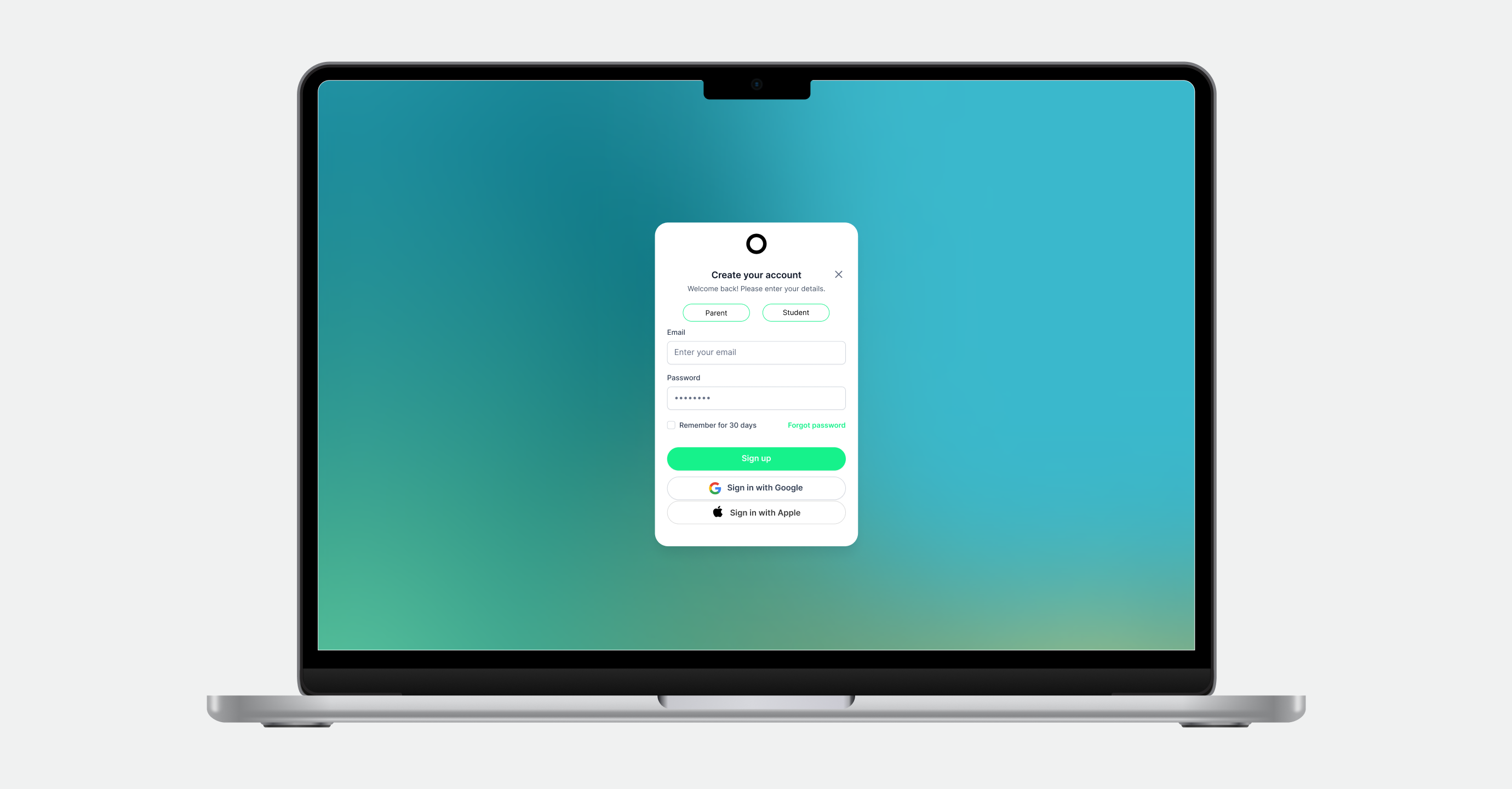
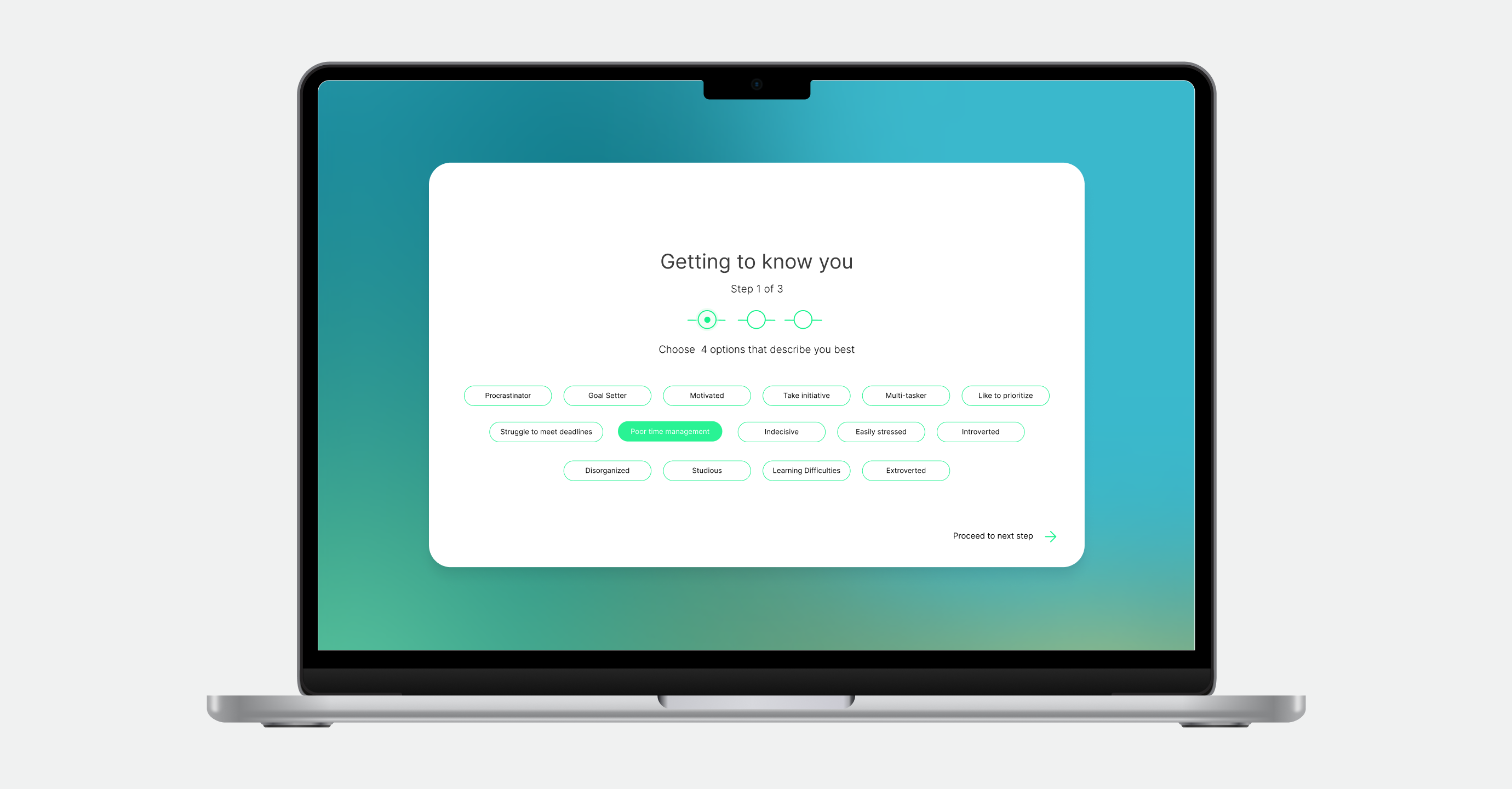
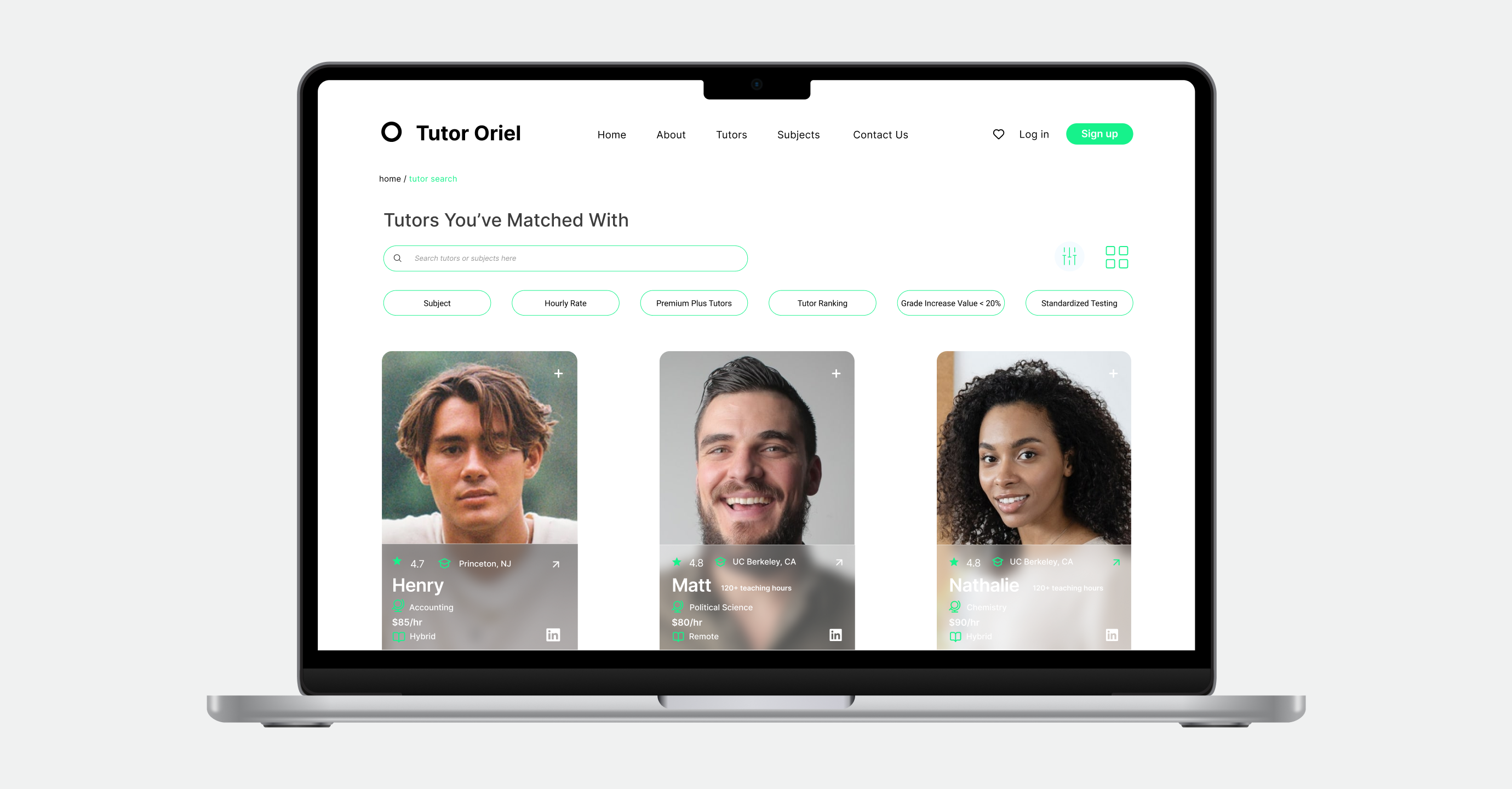
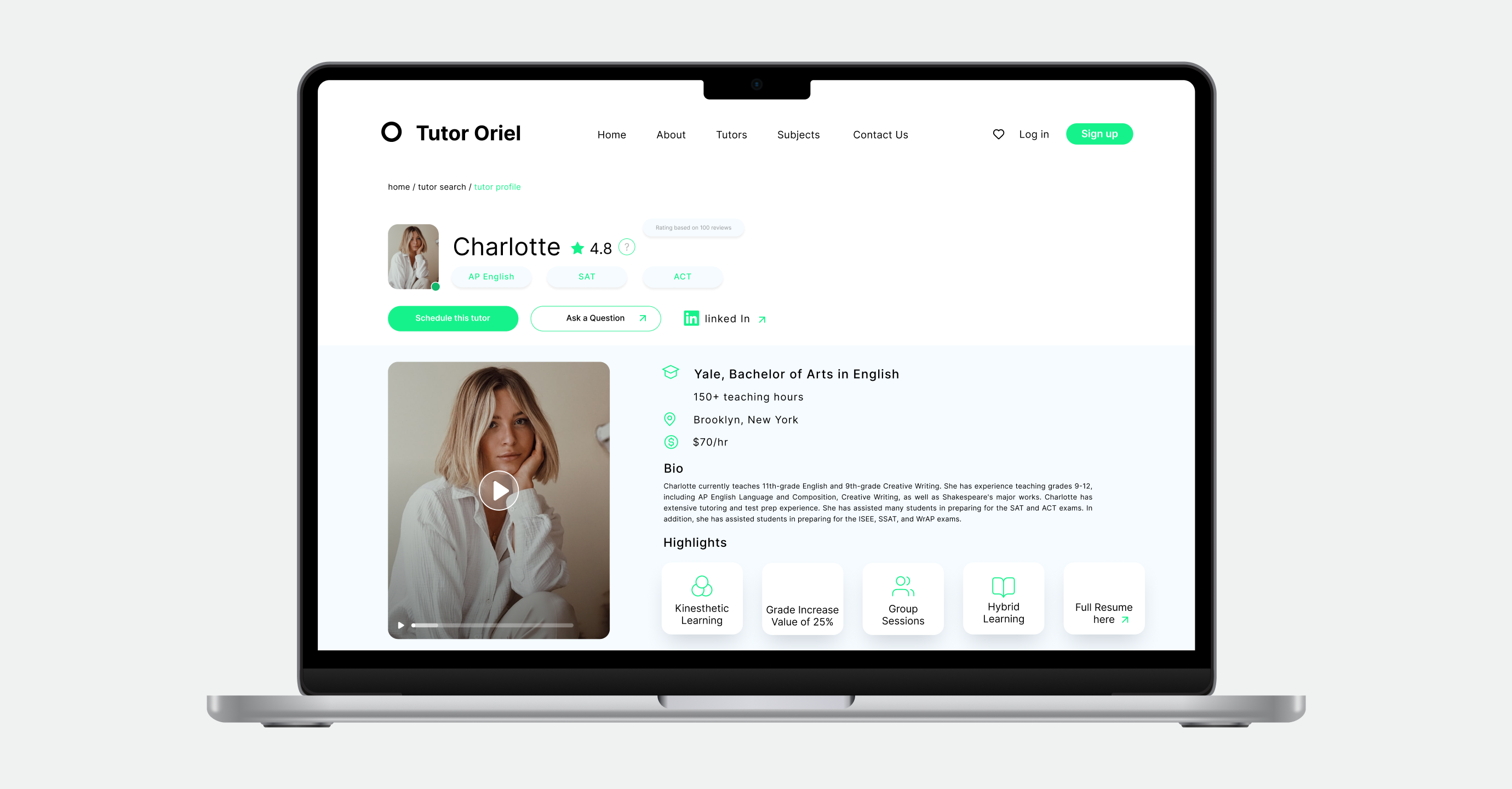
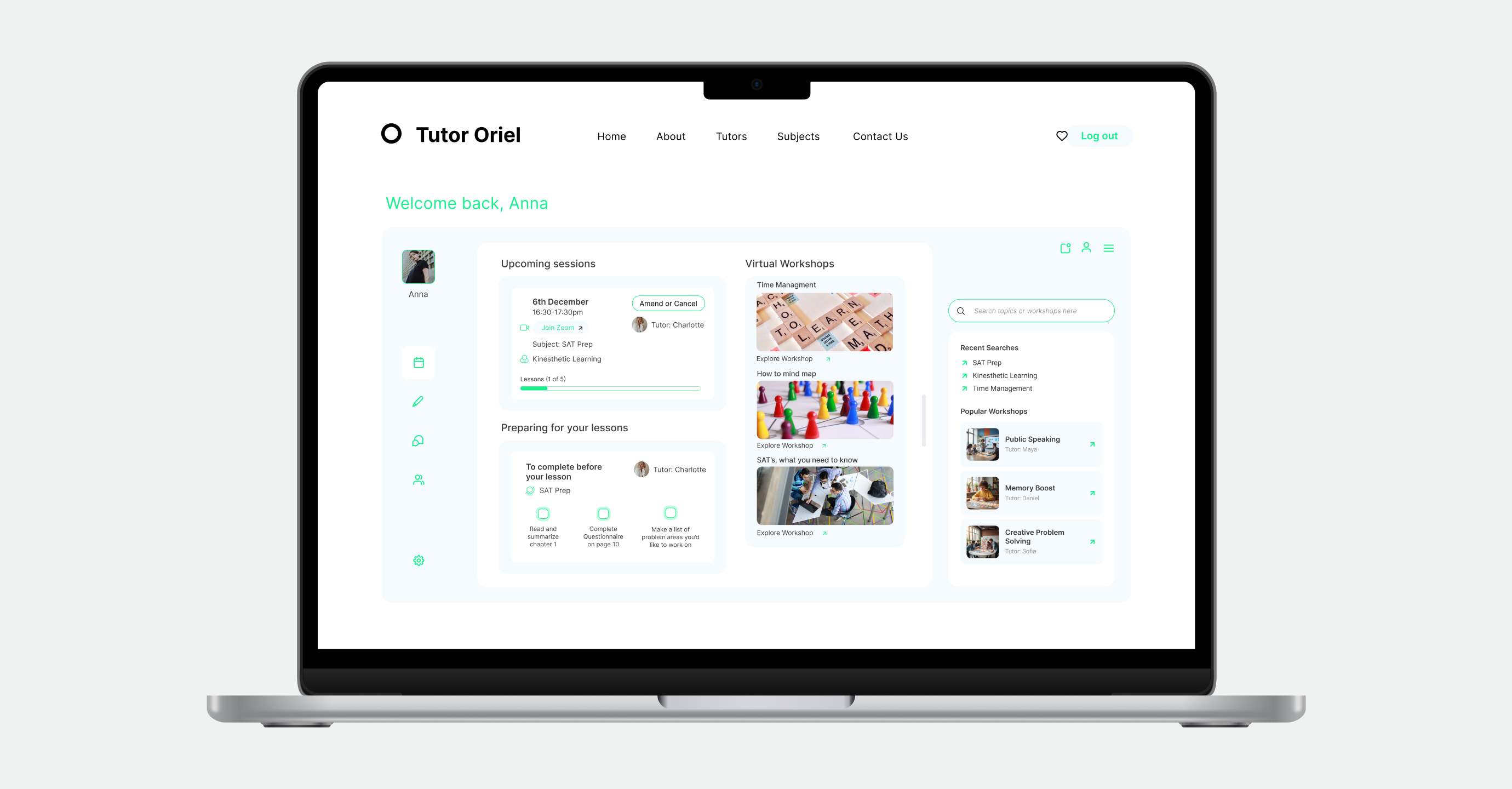
By focusing on user needs and simplifying complex flows, the app turns home exchange into a seamless, confident experience.
That Brings Ideas to Life
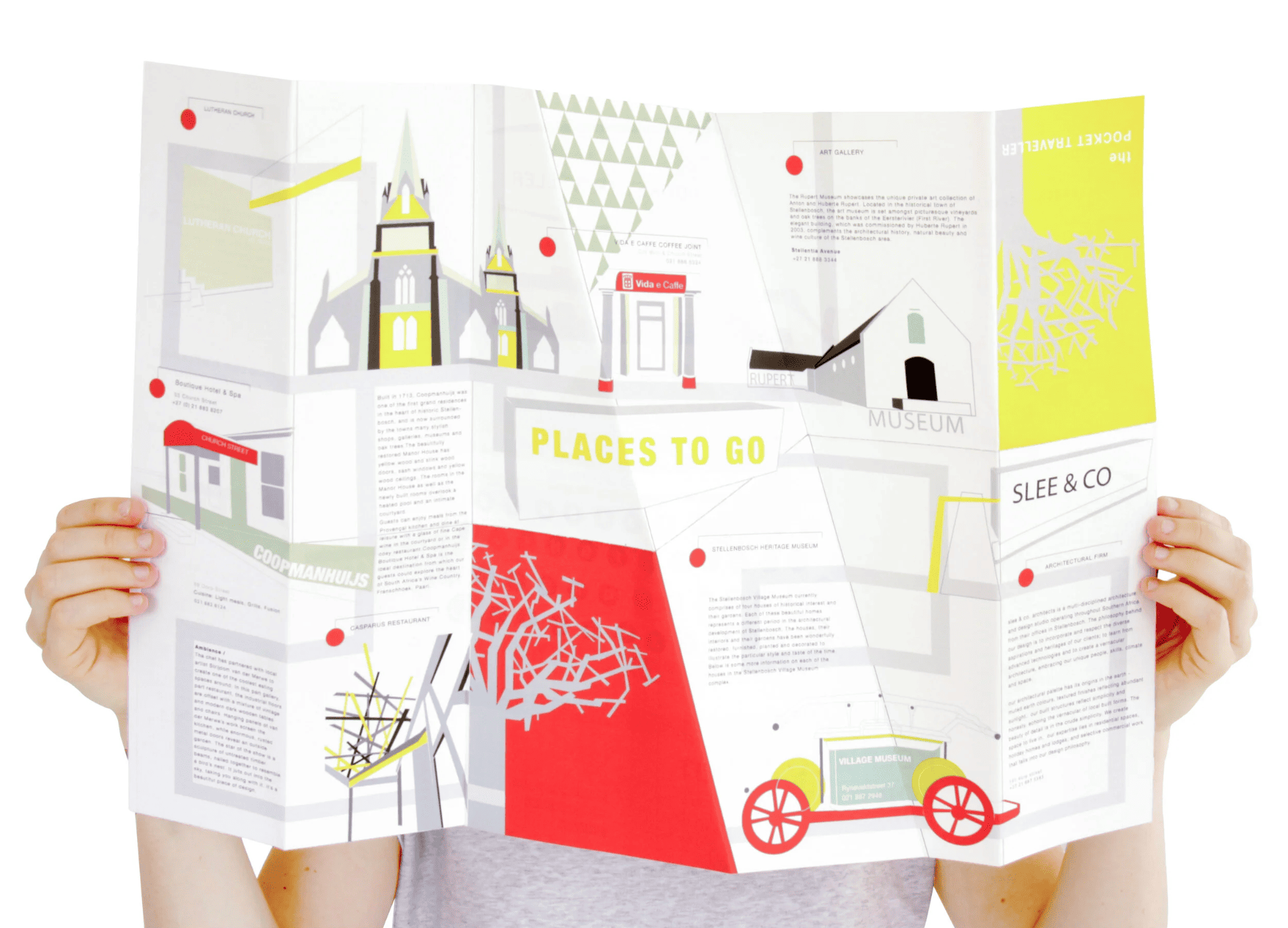
Print media Moby Dick
Infographics I love my city
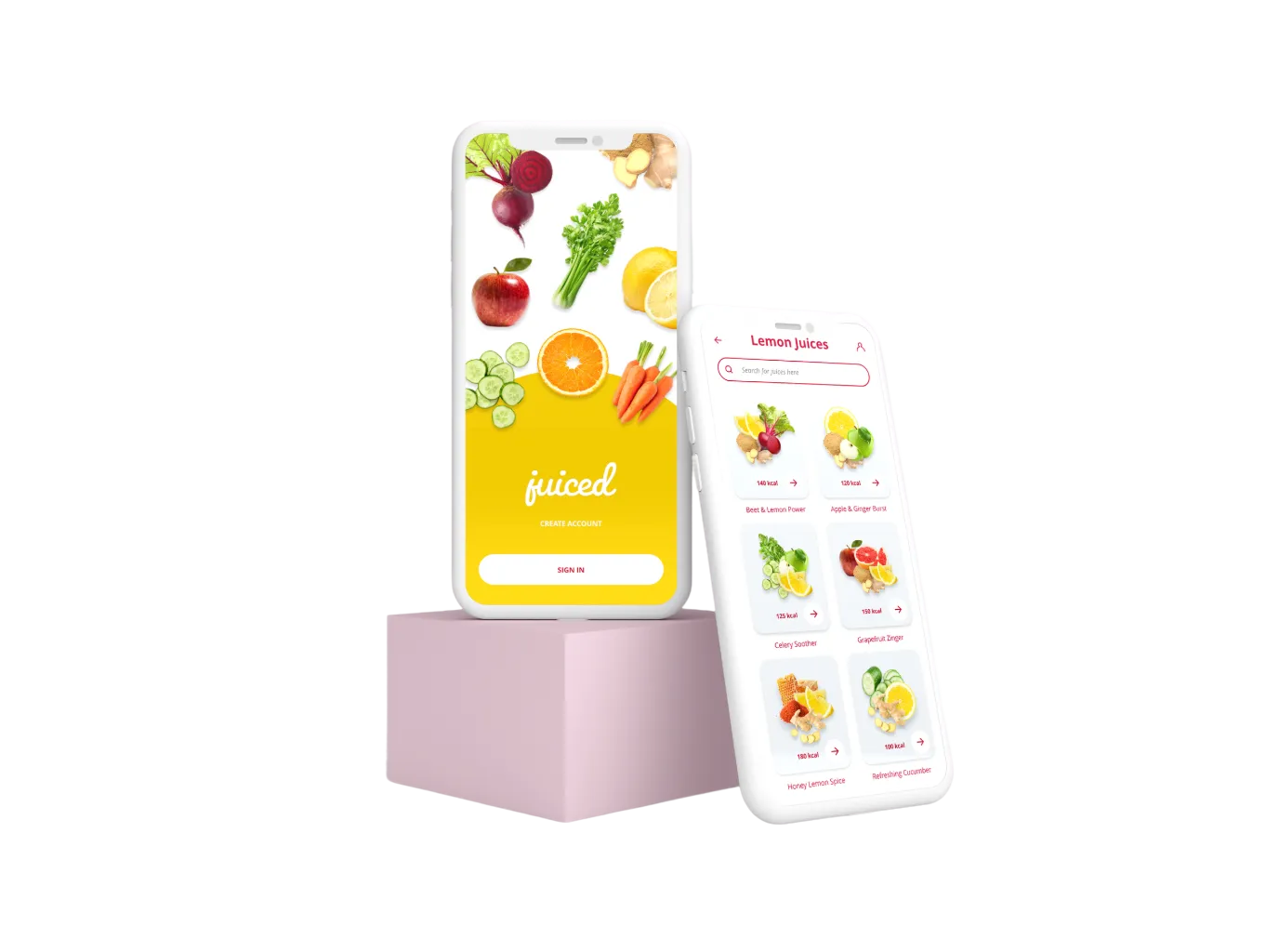
Juiced
Project one
Ecommerce website
Juvage
UX/UI Mobile Design
.png)

.png)